
3 Things You Didn’t Know About the Civilian Conservation Corps
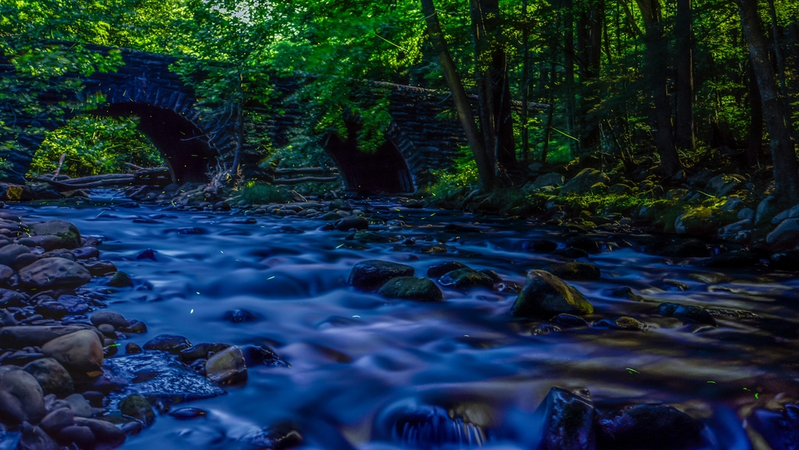
There are a lot of people to thank for making the Smoky Mountains National Park a beautiful place. One of them is the Civilian Conservation Corps (CCC). This was a voluntary government work relief program founded by President Roosevelt during the Great Depression. From 1933 to 1942, groups of young men camped in the country’s national parks and spent their days making improvements to the areas. The Smokies had more CCC camps than any other national park. Read more about what they accomplished:
Read More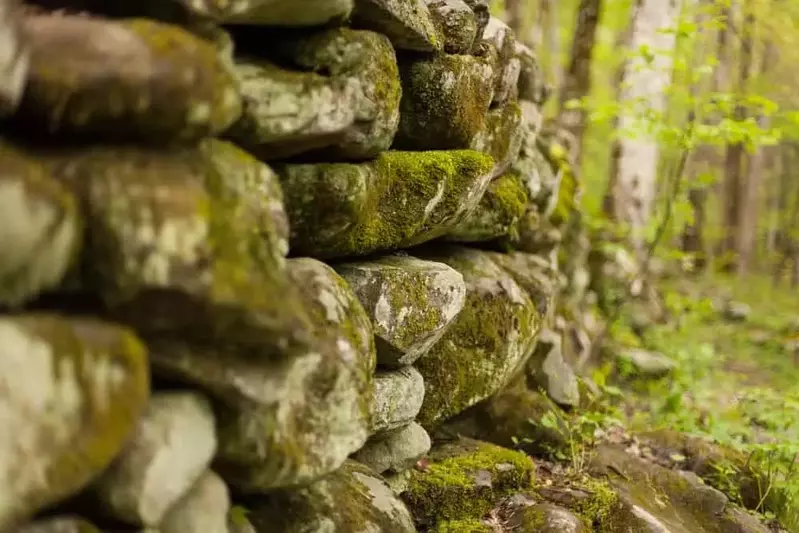
3 Historical Structures on the Old Sugarlands Trail
The picturesque Smokies were a thriving settlement before they became a popular tourist destination. If you want to enjoy some Smoky Mountain history, take a hike on the Old Sugarlands Trail! Despite it being so close to the Sugarlands Visitor Center, it actually receives little traffic, making it the perfect trail for a quiet walk in nature, plus it’s full of hidden gemsthat the history buffs will love! Before you visit in person, learn more about the area’s historic background and a few unique structures on the Old Sugarlands Trail you’ll discover along the way:
Read More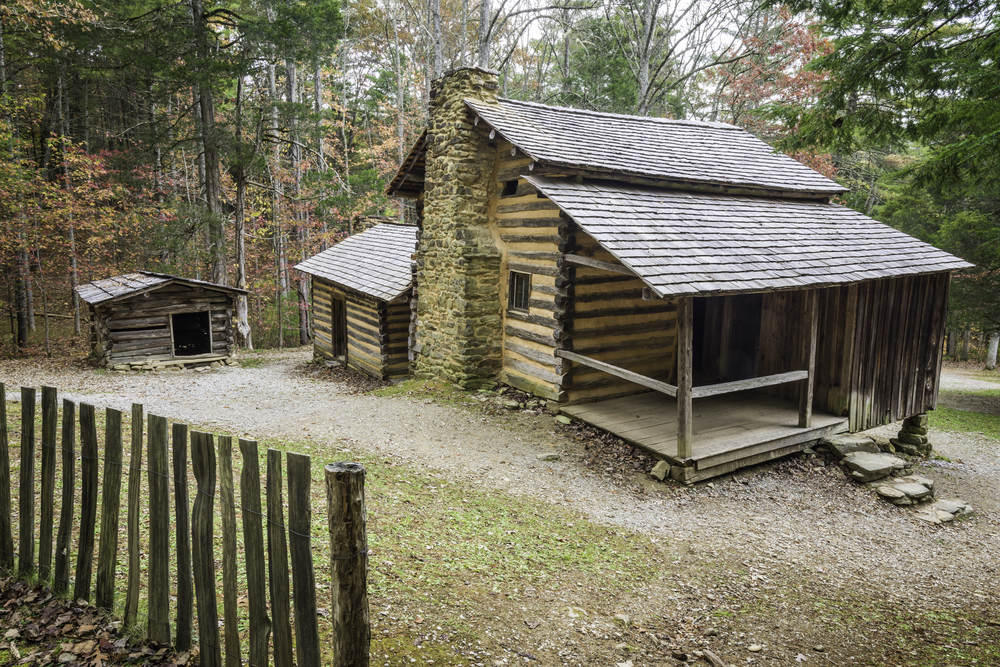
Surviving & Thriving: A Glimpse Into Pioneer Life in Cades Cove
Surely you’ve heard of Cades Cove. It’s one of the most popular destinations in Great Smoky Mountains National Park. This serene and historic valley is a place where time sits still and visitors get lost in its picturesque setting! But beneath today’s beauty is the fascinating legacy of those who used to call Cades Cove home. The first European settlers arrived in the early 1800s and would quickly face challenges of self-reliance, community building, and making the most of the land. Learn more about their story as we provide a glimpse into pioneer life in Cades Cove:
Read More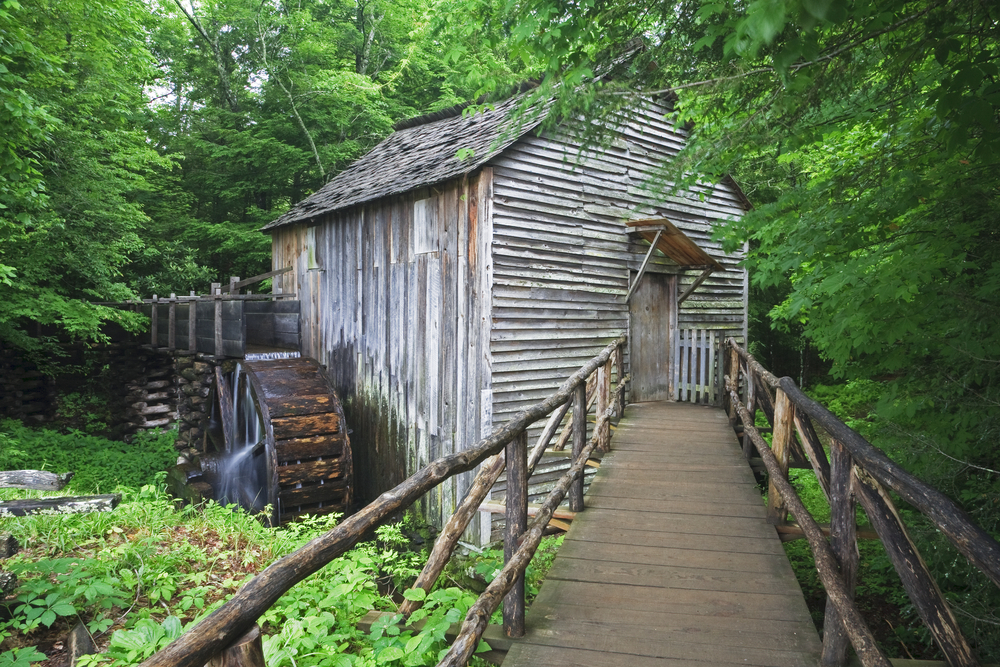
Step Back in Time: Smokies Trails With Deep Historical Roots
Many of the trails in Great Smoky Mountains National Park offer more than just natural beauty and breathtaking views — they’re living, breathing stories of the past! As you wind your way along Smokies trails, you’ll get a glimpse of life during much simpler times. These trails are filled with the memories and voices of the people, culture, and events that shaped the Smoky Mountains we know and love today. Are you ready to travel back in time? Here are a handful of Smokies trails that have deep historical roots:
Read More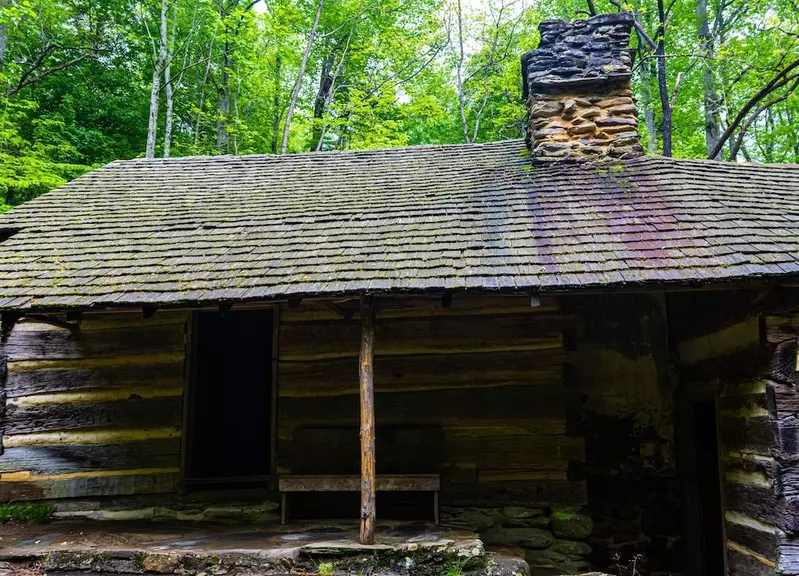
Explore 4 Lesser-Known Historical Sites in the Smoky Mountains
There are a lot of historical remnants throughout the Smokies. If you've seen the popular structures, such as the John Oliver Cabin in Cades Cove, there is a lot more ground to cover. Read on to prepare for your next visit. Here is a list of 4 lesser-known historical sites in the Smoky Mountains you should know about:
Read More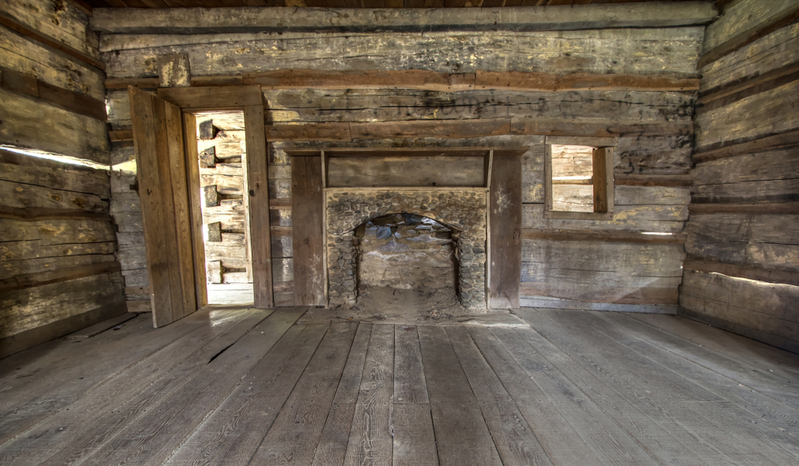
Everything You Need to Know About the Avent Cabin in Elkmont Tennessee
Elkmont is an interesting place on the Tennessee side of the Smoky Mountains. You’ll find many preserved historic buildings in the Elkmont Ghost Town, as well as abandoned buildings and cabins on lesser-known trails. You’ll definitely want to get out and see them during your next visit, especially the Mayna Treanor Avent Studio, so read on to learn more about this charming Avent Cabin in Elkmont Tennessee:
Read More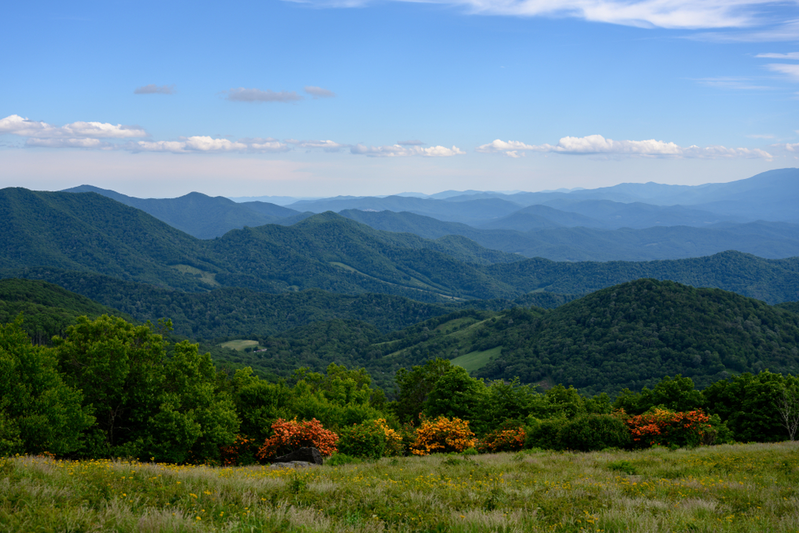
The History of Gregory Bald in the Smoky Mountains
The Great Smoky Mountains National Park was established in June 1934, but the area had a rich history long before it became a popular tourist destination. Read on to learn about the story behind one of the popular scenic overlooks and hiking trails in the national park– Gregory Bald!
Read More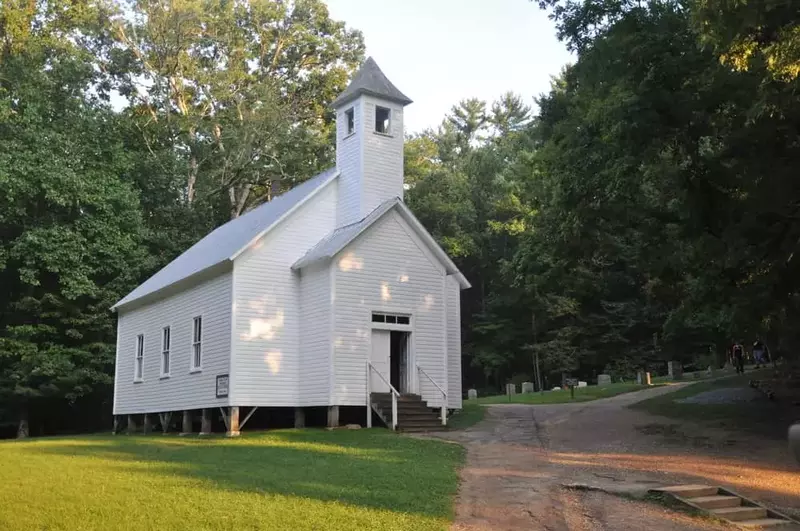
Discover the Fascinating History of Churches in Cades Cove
When you visit the Smoky Mountains, one of the things you might notice is the remnants of old civilizations. This is especially true in one of the national park’s most visited areas, Cades Cove. As you make the drive around the 11-mile loop road, you will notice there are a variety of old church buildings scattered around the property. Discover why that is with this history of churches in Cades Cove:
Read More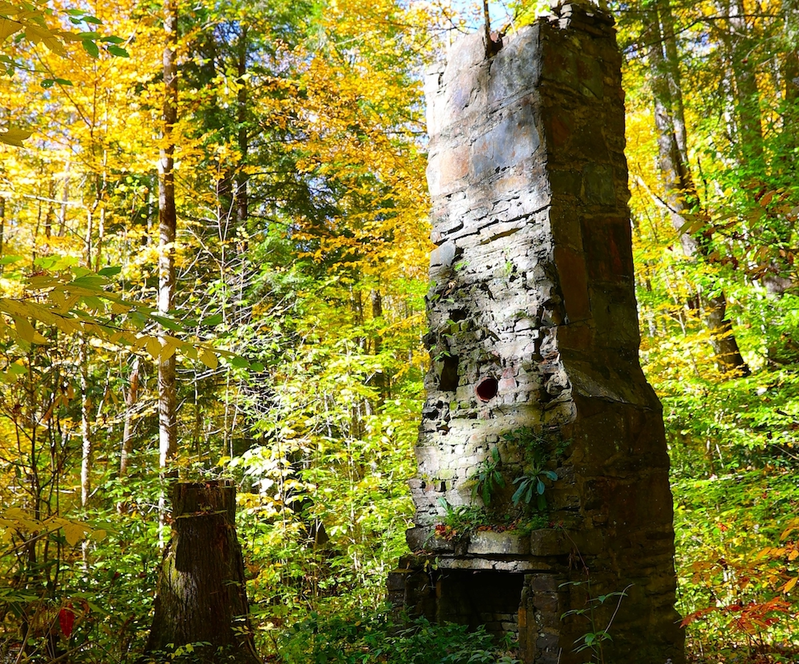
3 Interesting Facts About the Civilian Conservation Corps in the Smoky Mountains
Today, the Great Smoky Mountains National Park is the most visited national park in the United States. It was established in 1934, and a lot of work was done to keep the area beautiful for future generations. We are very thankful for the work of the Civilian Conservation Corps (CCC). They were established by President Roosevelt in 1933 and operated until the start of World War II. Read on to learn more about all their wonderful work. Here is a list of 3 interesting facts about the Civilian Conservation Corps in the Smoky Mountains:
Read More
4 Influential Women in Smoky Mountain History
When it comes to the history of Great Smoky Mountains National Park, there are many women who played an important role with their individual contributions. There are several in particular who had an incredible passion and dedication to helping create the beautiful park that we enjoy today! While visiting the park, you have the opportunity to share in this passion that each of these women gave in support of the park and its mission of preservation for future generations! Here are 4 influential women in Smoky Mountain history:
Read More
3 Reasons Why Apple Orchards in Tennessee Were Important to Early Smoky Mountain Settlers
While we enjoy the taste of fresh apples during the fall season, it is also a time to reflect on how this delicious fruit was an essential part of life for the early residents of the Smokies! Apples were by far the most important fruit in the Smoky Mountains as they could not only be eaten raw but could be used to make vinegar, applesauce, apple butter, and pies. Fortunately, the cooler climate in the area provided excellent apple-growing conditions! Here are the top 3 reasons why apple orchards in Tennessee were important to early Smoky Mountain settlers:
Read More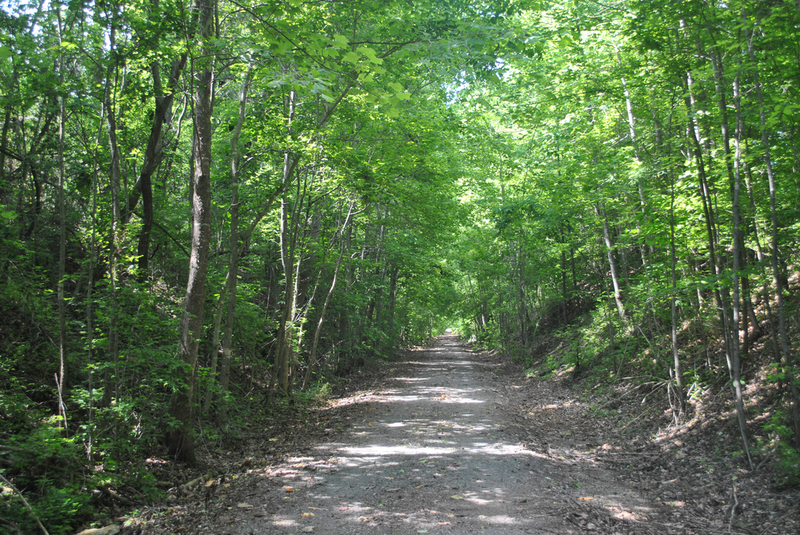
Top 4 Things You Need to Know About Renting the Spence Cabin
If you always dreamed about holding your wedding or other special event within Great Smoky Mountains National Park, you can make that a reality by reserving the Spence Cabin! This large cottage was built in 1928 as a vacation home for Alice Townsend, wife of Colonel Townsend, who owned both the Little River Lumber Company and the Little River Railroad. The National Park Service has restored the cabin to its historic appearance and it’s now available for day-use rentals! Here are the top things you need to know about renting the Spence Cabin:
Read More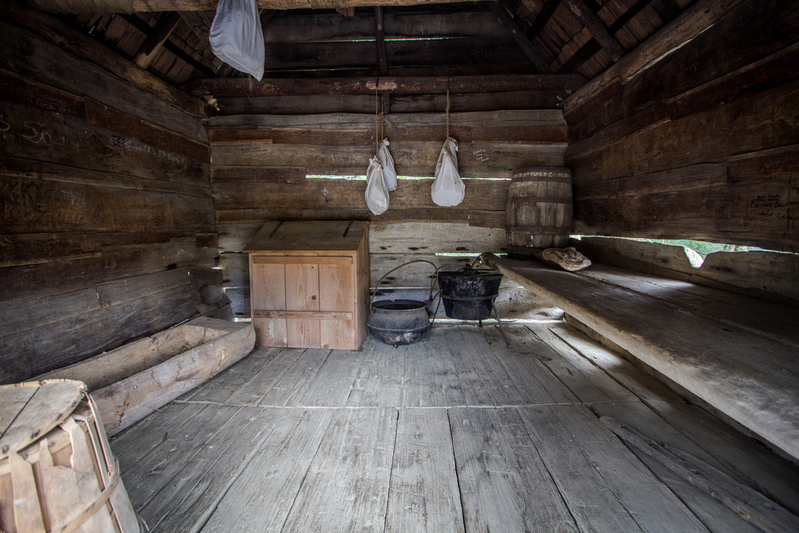
5 People Who Helped Shape Smoky Mountain History
When you visit the Smokies, you can practically feel the history around you. Smoky Mountain history is full of unique stories and individuals who helped to shape the area into what it is today. From pioneers, to native tribes, and politicians, here are some of the people who helped to shape Smoky Mountain history:
Read More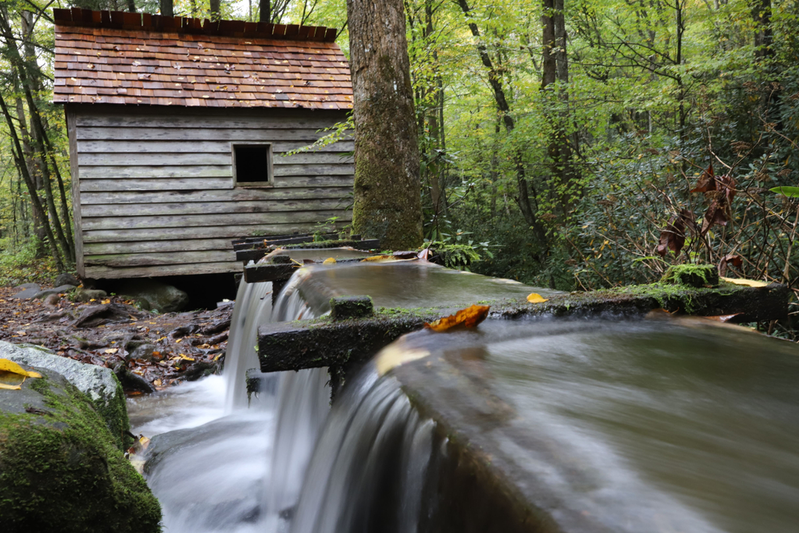
3 Historical Structures You’ll See Along Roaring Fork Motor Nature Trail
Long before they became the centerpiece of the most visited national park in the United States, the Great Smoky Mountains were home to a thriving settlement. Today, visitors can see remnants of it in the form of historical buildings. While the structures are all throughout the park, a notable place to see some of them is on the Roaring Fork Motor Nature Trail. Go for a great scenic drive on this 5.5-mile loop. Take a moment to learn more about it before your visit. Here is a list of 3 historical structures you’ll see along the Roaring Fork Motor Nature Trail:
Read More
Top 4 Reasons Why General Stores Were an Important Part of Smoky Mountain History
In today’s modern society, it’s difficult to imagine a world without online shopping and big box stores! Just like shopping is important to us, it was also essential to the thousands of people in communities who lived in the Smokies before the creation of the national park in 1934. Along with schools, churches, and gristmills, many communities supported general stores. Here are the top 4 reasons why general stores were an important part of Smoky Mountain history:
Read More