
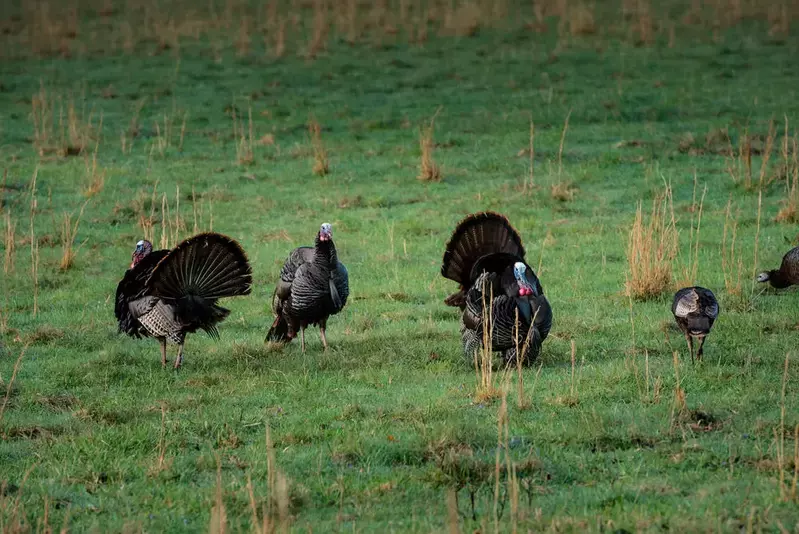
Fun Facts About the Smoky Mountain Wild Turkey
The wild turkey is the largest nesting bird in the Smoky Mountains. This bird is easily recognizable by its large, dark body, long feathers, and colorful face and neck. It’s not uncommon to see wild turkeys foraging along roads and in clearings throughout the Great Smoky Mountains National Park. Here are a few fun facts about the wild turkey to keep in mind the next time you see one in the Smokies.
Read More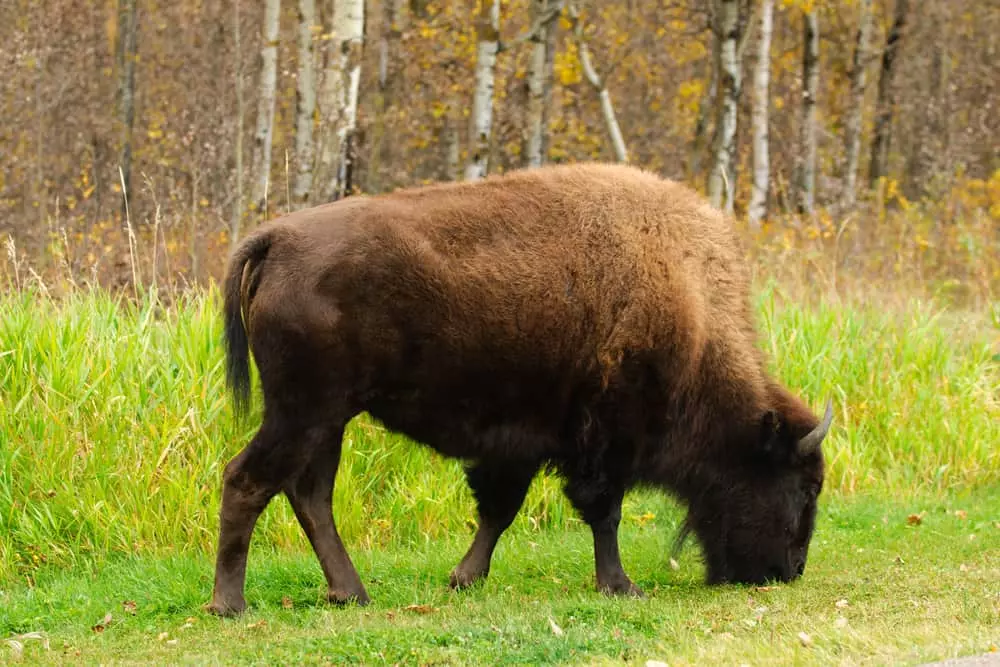
5 Smoky Mountain Animals That No Longer Live in the National Park
The Great Smoky Mountains National Park is home to a wide range of plants and animals. Over the years, however, a number of animals native to the Smoky Mountains have been eradicated due to hunting, trapping, loss of habitat, and other causes, and they no longer exist in the national park. This local extinction is called extirpation. Here’s a list of five Smoky Mountain animals that have been extirpated and no longer live here.
Read More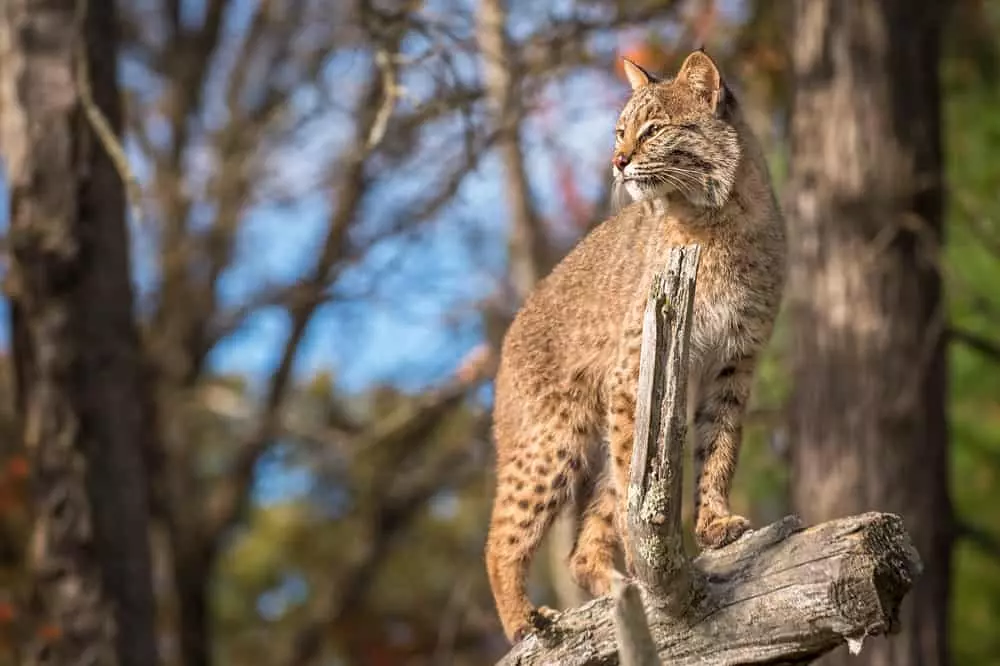
Wildlife in the Smoky Mountains You’re Least Likely to See
The Smoky Mountains are full of wildlife diversity, with roughly 65 species of mammals, 200 types of birds, 80 species of reptiles and amphibians, and 67 types of fish. There are some common animals that you’re likely to see when you visit the national park, such as white-tailed deer, salamanders, turkey, and black bears. However, there are also a lot of animals that are more rare to see. Here’s a list of nine types of wildlife in the Smoky Mountains you’re least likely to see when you visit.
Read More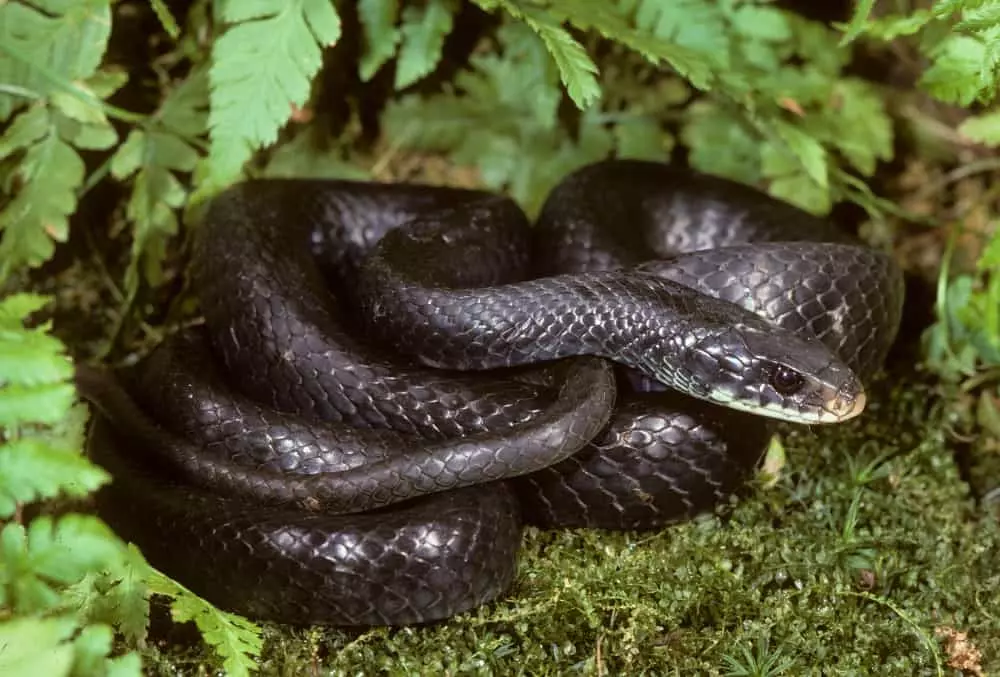
Snakes in the Smoky Mountains: Learn About the Types of Snakes in the National Park
The Smoky Mountains are known for being home to lots of wildlife diversity. Though the most well-known wildlife are black bears, elk, deer, and birds, there are a number of other types of wildlife you could encounter in the Smokies, including reptiles like snakes. There are more than twenty different species of snakes in the Smoky Mountains, but thankfully only two of these species are venomous. Here’s your guide to the various types of snakes in the Smoky Mountains:
Read More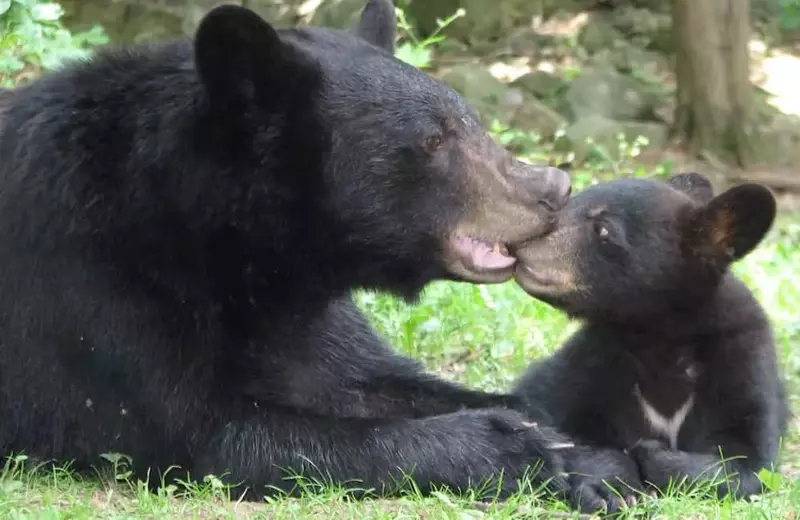
Your Guide to Spotting the Types of Tennessee Wildlife at the Park
If you are planning to visit the Great Smoky Mountains National Park and are interested in the incredible wildlife that call the park home, you’ve come to the right place! We’ve put together some of the best tips for spotting all different kinds of Tennessee wildlife that live here at the national park. Just remember to always keep your distance from the animals and not to disturb them in any way, including by feeding them. Following park rules regarding wildlife is an important part of safeguarding these incredible creatures! With that in mind, here are some of the best tips for spotting wildlife here at the park:
Read More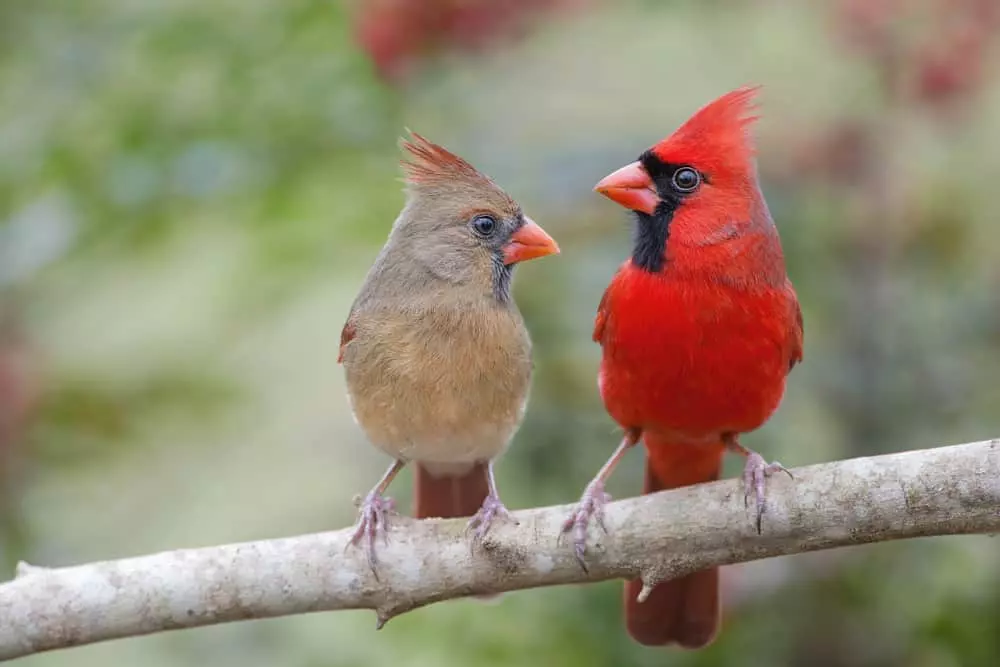
10 Most Common Smoky Mountain Birds
There have been more than 240 species of birds recorded in the Great Smoky Mountains National Park. 60 of these species are year-round residents of the national park. That’s why the Smokies are one of the best bird watching areas. Here’s a list of some of the most common Smoky Mountain birds you’re most likely to see when you visit the national park.
Read More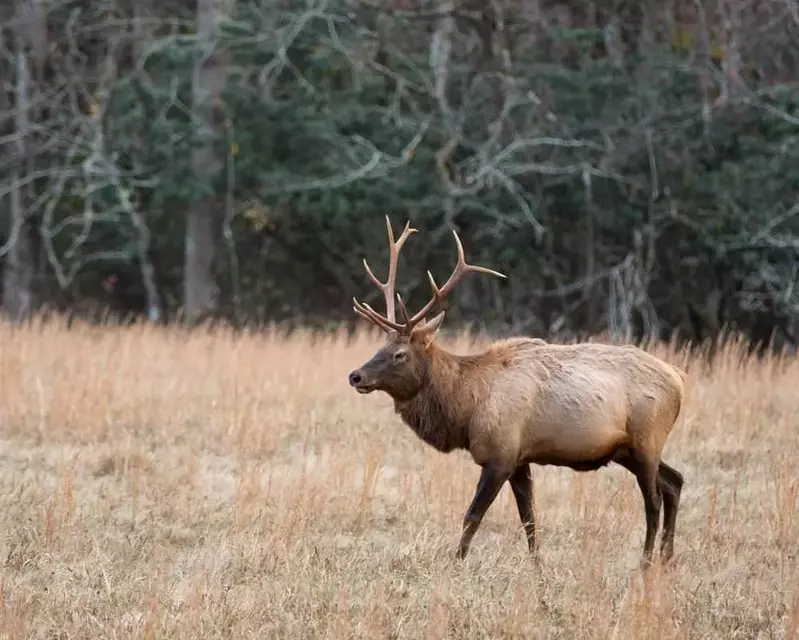
Fun Facts About Elk in the Smoky Mountains
When you think of wildlife in the Smoky Mountains, you probably think of deer, black bears, and turkeys. However, the largest animals that can be found in the Great Smoky Mountains National Park are elk. Elk in the Smoky Mountains were once hunted to near extinction, but now they are growing in number and are becoming more common to see by those visiting the national park. Here are some of our favorite facts about these amazing animals.
Read More
5 Interesting Things to Know About the History of Smokey Bear
The most famous national park bear of all time is Smokey Bear, who helps to keep the woodlands safe here in the Smoky Mountains! The iconic fictional bear was created back in 1944 as part of a public service campaign and his slogan has changed several times over the years, but his message remains the same – it is ultimately up to us to prevent wildfires! Here are 5 interesting things to know about the history of Smokey Bear:
Read More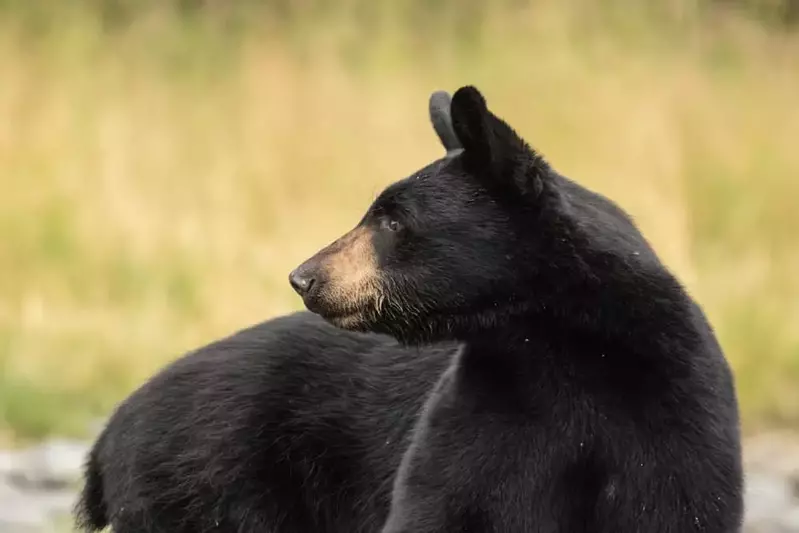
3 Things to Do if You Encounter Black Bears in the Smoky Mountains
When it comes to wildlife viewing in the Great Smoky Mountains National Park, the thing that visitors usually want to see the most is the black bear! After all, these animated animals are an iconic symbol of the Smokies and you’ll find them on t-shirts, magnets, and practically everything else at the souvenir shops throughout Pigeon Forge and Gatlinburg! While you can safely view bears from a distance of at least 50 yards, you may be wondering how to react if you stumble upon one while hiking! Here are 3 things to do if you encounter any black bears in the Smoky Mountains:
Read More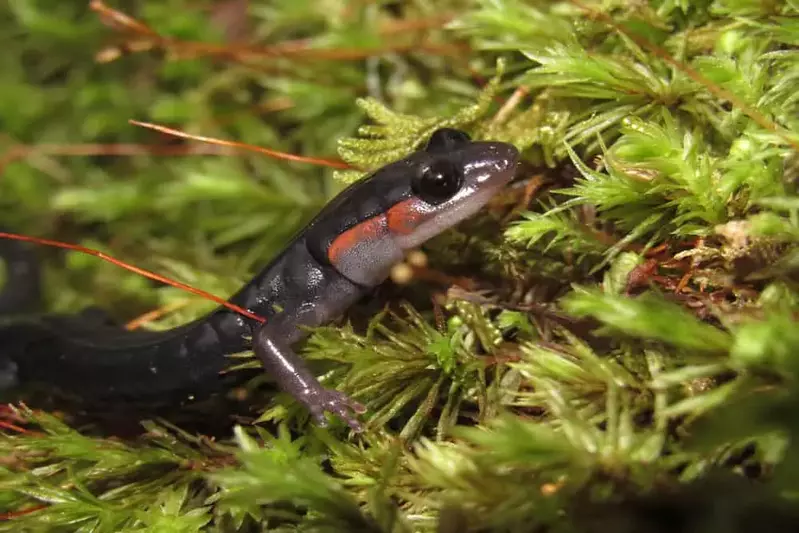
4 Interesting Facts About Salamanders in the Great Smoky Mountains
Did you know that the most populous animal in the Great Smoky Mountains is also one of the smallest? The Smokies are deemed the “Salamander Capital of the World” because the area is home to over 30 species. During your visit, one of the best places you can find them is around Grotto Falls. The rocks, water, and cool climate make for an excellent salamander habitat. Before you begin your search though, take some time to learn a little more about these small creatures. Here is a list of 4 interesting facts about salamanders in the Great Smoky Mountains:
Read More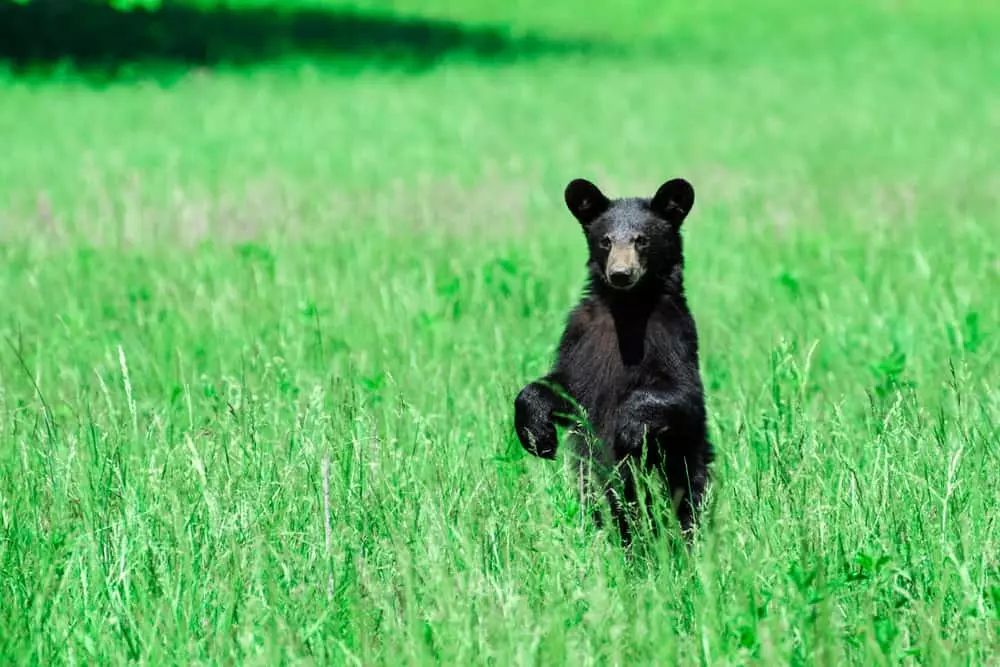
Top 3 Safety Tips About Viewing the Smoky Mountain Wildlife
One of the primary reasons why so many folks love visiting the Great Smoky Mountains National Park is for the chance to see some of the park’s wildlife! While much of the park is covered in dense forest, there are several open areas where you can see white-tailed deer, black bears, elk, raccoons, turkeys, and many other animals! While it may be tempting to get up close for that perfect photo, you’ll want to keep safety in mind at all times- both for yourself and for the animal. Here are the top 3 safety tips about viewing the Smoky Mountain wildlife:
Read More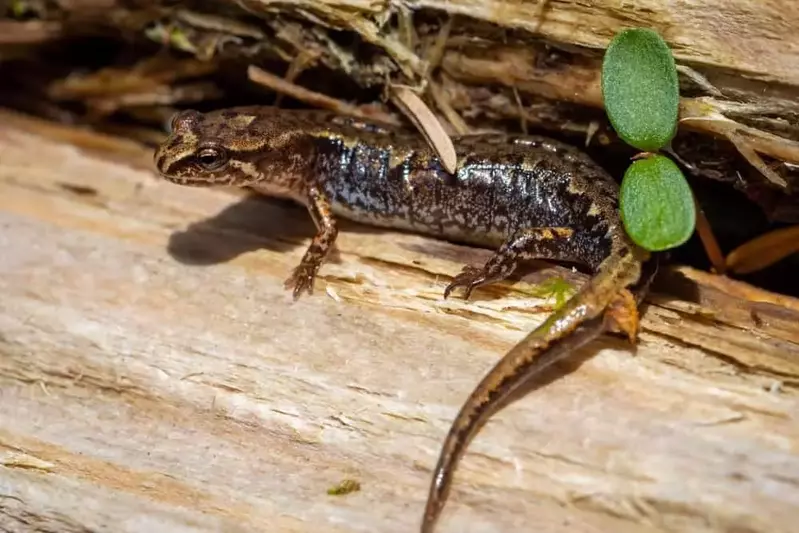
Top 3 Reasons Why You Can See Salamanders in Great Smoky Mountains National Park During the Winter
You may be surprised to know that there are 30 salamander species that live in the Great Smoky Mountains National Park. In fact, the population of salamanders in the park is so high that they would collectively outweigh all the mammals in the park! While most mammals, amphibians and reptiles spend the colder months in Tennessee hunkered down in burrows waiting for the warmer weather, winter is actually a busy time for salamanders! Here are the top 3 reasons why you can see salamanders in the Great Smoky Mountains National Park during the winter:
Read More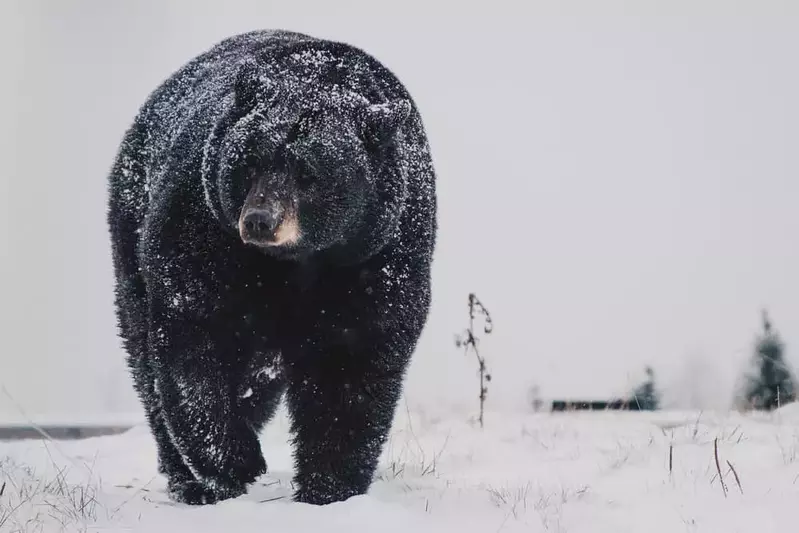
3 Reasons Why Black Bears in the Smoky Mountains Don’t Truly Hibernate
If you’re enjoying a winter hike through the Great Smoky Mountains National Park, you might be shocked to catch a glimpse of a black bear in the forest! Many folks tend to believe that bears hibernate throughout the winter season, but the truth is that the black bears in the Smokies are not true hibernators at all! While they do spend most of their time in their dens during the winter for long periods of sleep, it is not uncommon to see bears actively roaming around Cades Cove Loop Road and other areas of the park in January, February, and March! Here are the top 3 reasons why black bears in the Smoky Mountains don’t truly hibernate:
Read More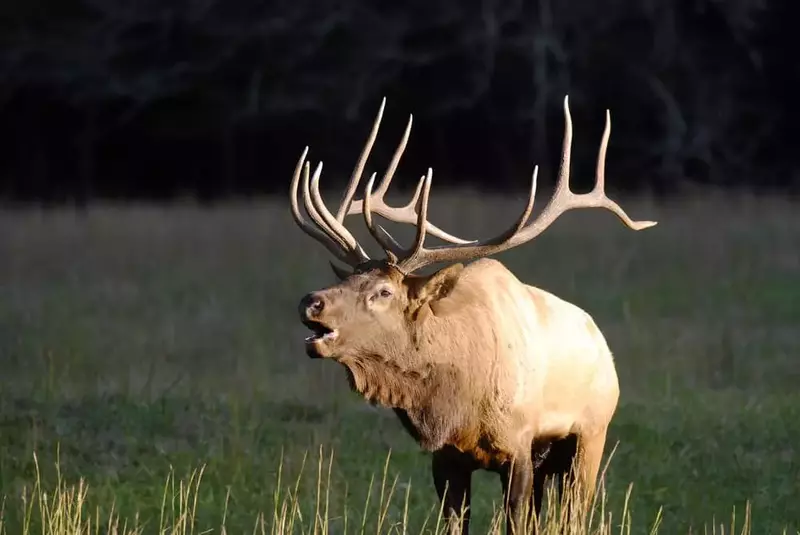
Our Favorite Facts About 3 Popular Animals in the Smoky Mountains
The Great Smoky Mountains are a must-visit place for many reasons. They are among the oldest mountain ranges in the world, yet their beauty remains timeless. Another important aspect of the Great Smoky Mountains is the wildlife. This iconic landmark has an expansive population of animals that call it home. In fact, the Smoky Mountains has over 65 species of mammals, over 200 varieties of birds, and more than 67 native fish species. We’re going to tell you about some of our favorite Smoky Mountain wildlife. Here are some interesting facts about 3 popular animals in the Smoky Mountains!
Read More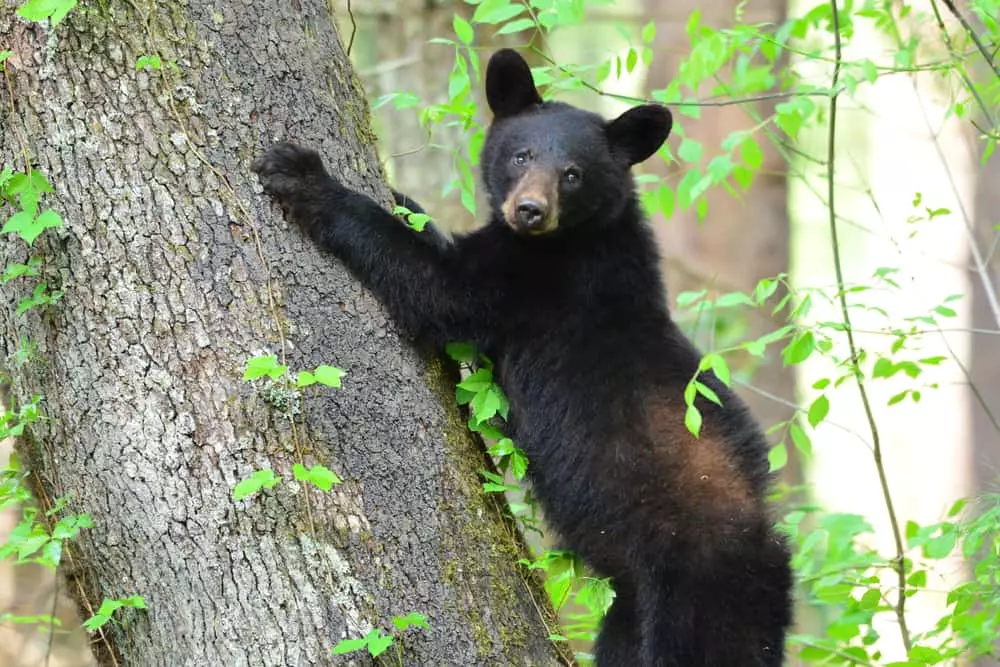
Top 4 Ways to Increase the Odds of Spotting Wildlife in the Smoky Mountains
If you have your heart set on seeing wildlife during your visit to the Smokies, there are several things you can do to increase your chances! While there is never a guarantee you’ll spot a specific animal, there are certain places in the Great Smoky Mountains National Park that offer excellent wildlife viewing opportunities! You’ll also find that the time of day, as well as the time of year, plays an important role in increasing your chances of seeing black bears, white-tailed deer, and other critters! Here are the top 4 ways to increase the odds of spotting wildlife in the Smoky Mountains:
Read More