
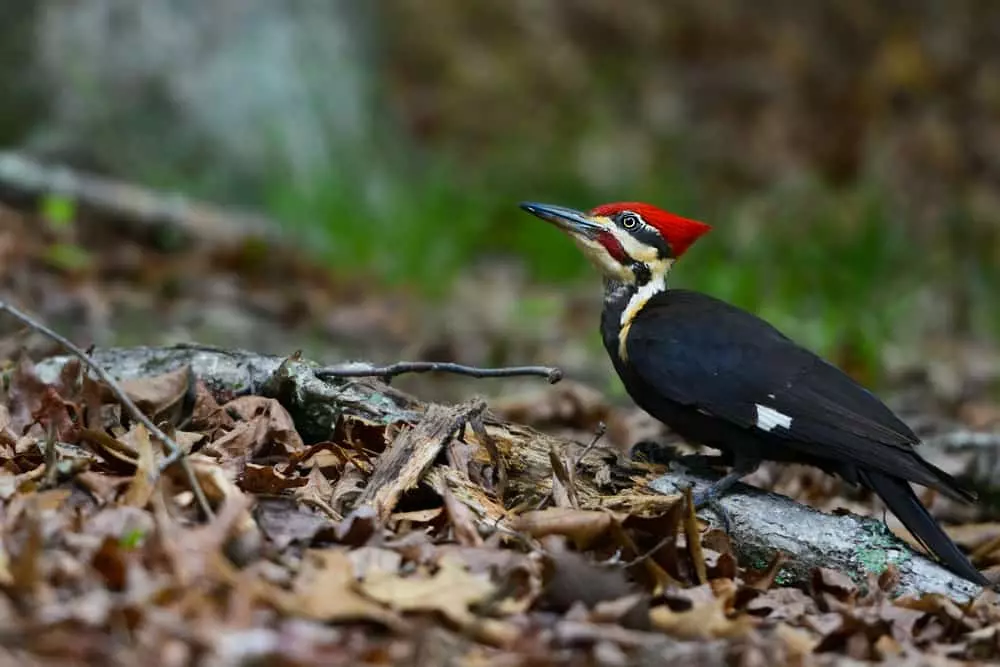
Top 3 Reasons Why the Smoky Mountains Are One of the Nation’s Best Bird Watching Areas
Whether you’re a serious bird watcher or just love the sight of colorful birds, just wait until you step inside the Great Smoky Mountains National Park! The park is a premier place to find birds as it offers a diversity of habitats and microclimates, thanks to a range in elevations! You’ll want to bring your binoculars and camera along for your adventure in the Smokies as you never know what you might spot in the forest! Here are the top 3 reasons why the Smoky Mountains are one of the nation’s best bird watching areas:
Read More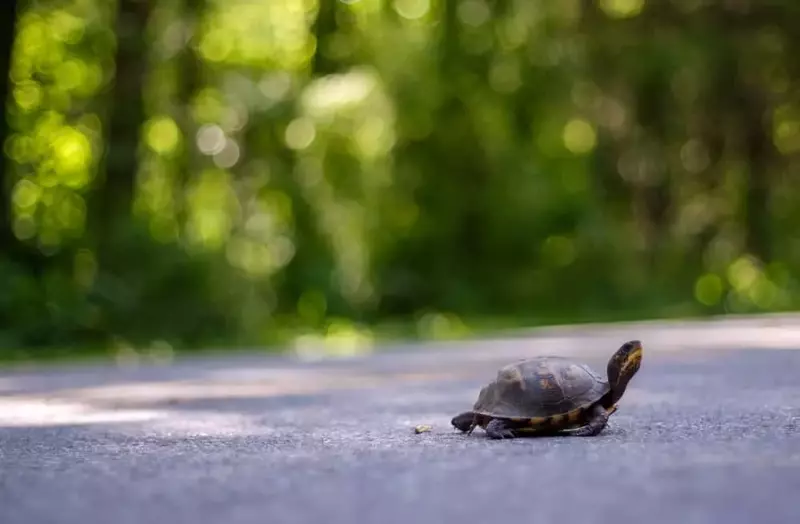
Reptiles in the Smokies: Learn about the Turtles, Lizards and Snakes in the Smoky Mountains
While you probably know that the Great Smoky Mountains are famous for their black bear residents, there are plenty of other critters found in the park too – including reptiles! There are three major groups of reptiles found within the park, including turtles, lizards and snakes. You’ll be happy to know that most of these reptiles are harmless and the chance of running into a venomous snake is very rare, but always remember to keep a “hands off” approach when viewing wildlife in the park! Read on to learn more about the snakes in the Smoky Mountains and other reptile friends:
Read More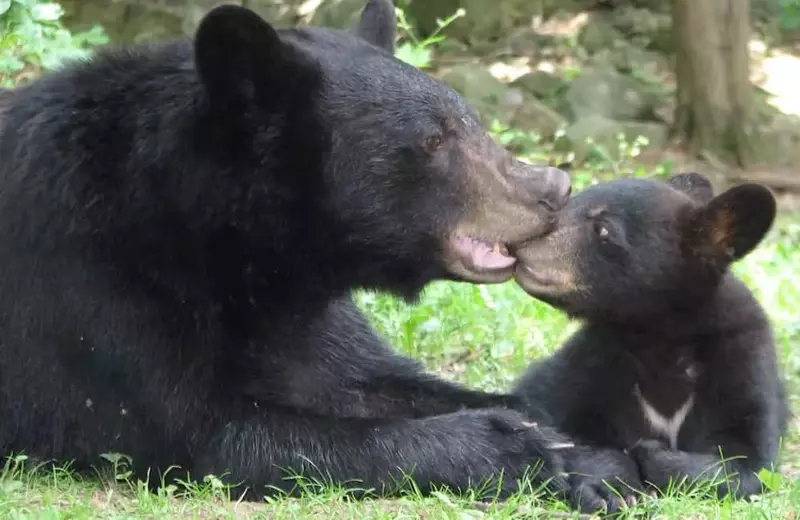
6 Facts You Should Know About Black Bears in the Smoky Mountains
When you think of the Smoky Mountains, you probably also think of black bears. They’re just one of the many animals that live in the national park, but they are by far the most popular! Everyone wants to see a black bear while they are visiting, and we want to share some interesting things about these beautiful creatures! Check out these 5 facts you should know about black bears in the Smoky Mountains:
Read More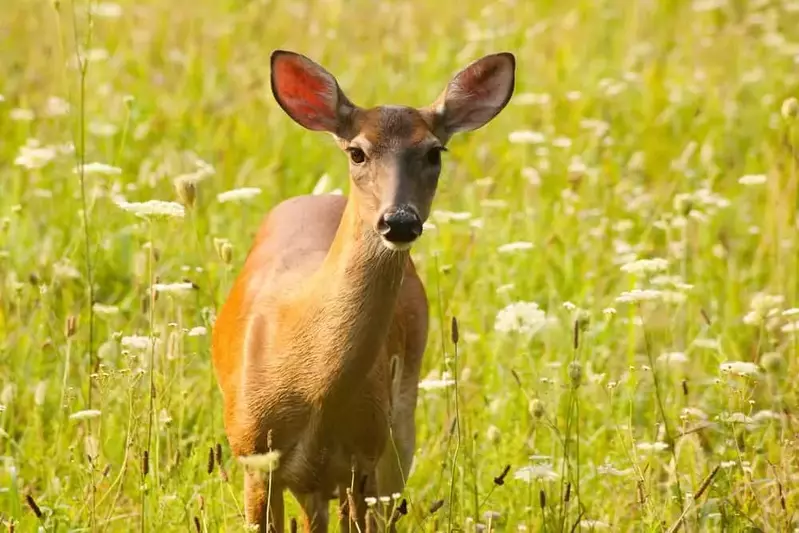
Top 5 Kinds of Wildlife in the Smoky Mountains You Might See
The Smokies are known for diverse wildlife. The unofficial mascot is the black bear, but there are many other animals that live in this habitat. Check out the top 5 kinds of wildlife in the Smoky Mountains you might see:
Read More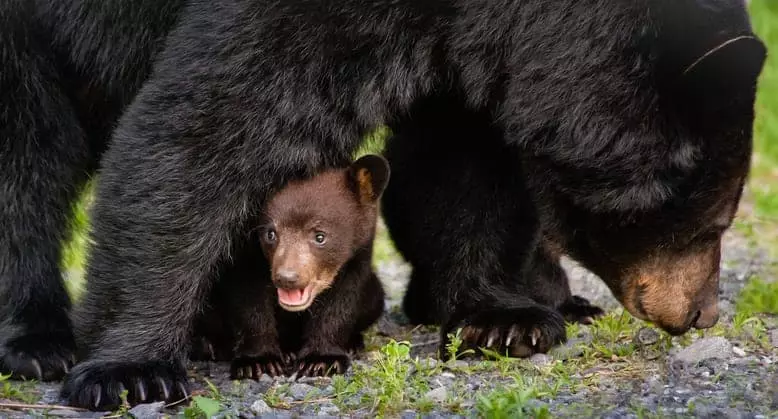
Top 4 Things You Need to Know About Black Bears in the Smoky Mountains
One of the things that visitors most want to see while exploring the Smoky Mountains is the black bear! While bears are fascinating to watch, it is important to keep in mind that they are wild animals with behavior that can be dangerous and unpredictable. Now that the winter season has ended, bears are starting to emerge from their winter dens so this is the perfect time to learn more about these amazing animals! Here are the top 4 things you need to know about black bears in the Smoky Mountains:
Read More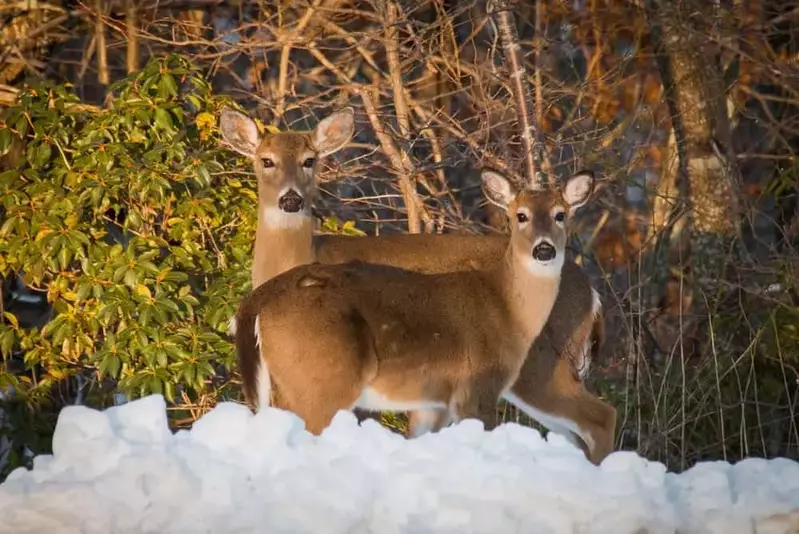
All You Need to Know About Seeing Animals in the Smoky Mountains During Winter
The winter season is one of the best times of the year to view wildlife in the Smokies! The trees have shed their leaves so that you can see deeper into the depths of the forest where animals may be lurking. Also, wildlife such as elk and deer are active for longer periods during the daylight hours due to the colder temperatures. If you are planning a winter vacation to the Smokies, here is everything you need to know about seeing animals in the Smoky Mountains during the winter:
Read More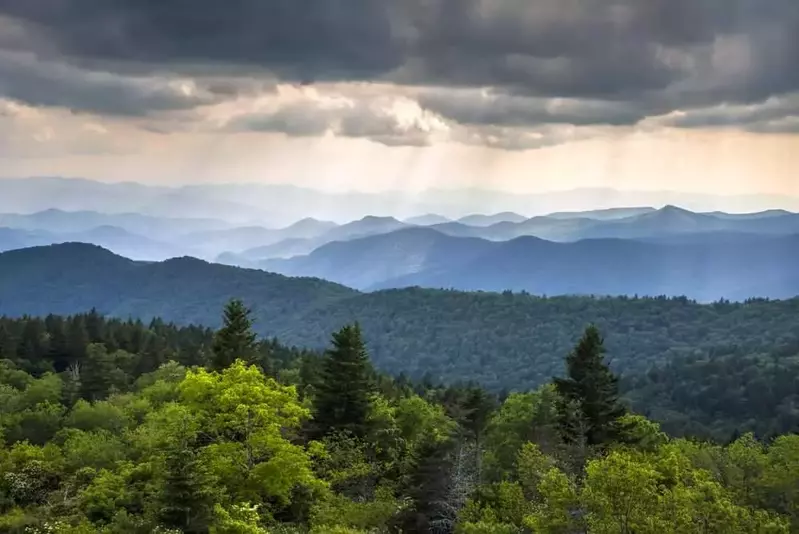
4 Helpful Tips for Birding in the Great Smoky Mountains
The Great Smoky Mountain National Park is the most visited park in the entire country, and it’s no wonder! Its exquisite beauty is found nowhere else, and while the park offers a great variety of scenery, it also provides an environment rich in native species. Over 60 types of birds live year-round within its wide mountain ranges. Even more stop in the Smokies during migration to forage for food. The list of birds that can be found here is always growing. Here are five great tips for Birders to enjoy these natural wonders!
Read More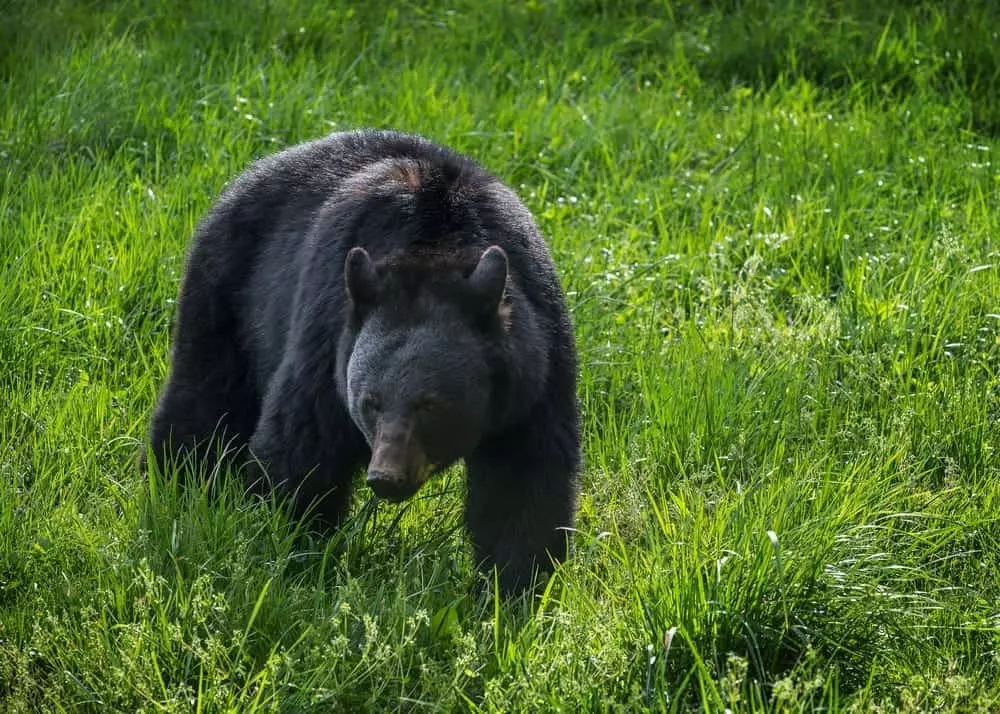
Black Bear Spotted at Margaritaville Resort in Gatlinburg
When you visit Gatlinburg, keep an eye out for black bears — even when you’re in your hotel! Recently, a visitor of the Margaritaville Resort in Gatlinburg spotted a bear wandering around the lobby. We’ve got all the info on the sighting of the black bear in Gatlinburg and what to do if you see a bear during your visit to the Smoky Mountains.
Read More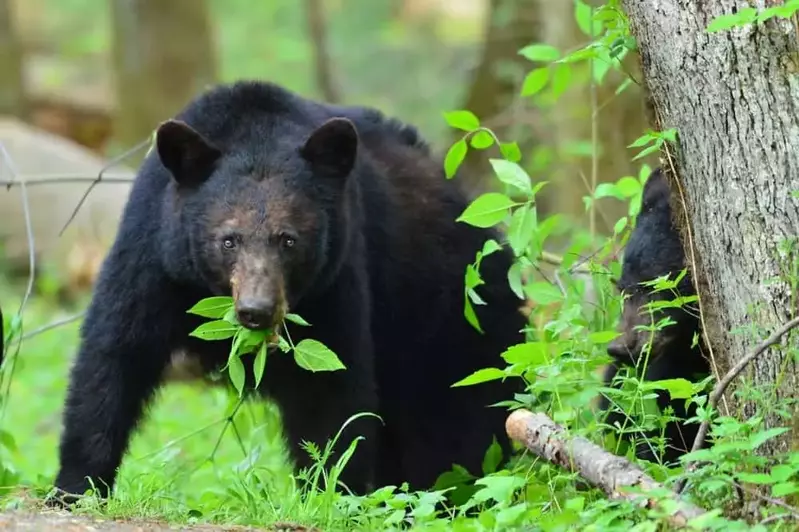
How to See Your Favorite Smoky Mountain Wildlife in the National Park
One of the many great reasons the Great Smoky Mountains National Park attracts a record-breaking number of visitors each year is the opportunity to see wildlife. The Smoky Mountains is full of a variety of wildlife, from black bears, to white-tailed deer, to salamanders. If you are hoping for the chance to spot some animals on your visit to the park, follow our guide on how to see your favorite Smoky Mountain wildlife:
Read More